ENGIE approves financing of two projects with the BNDES
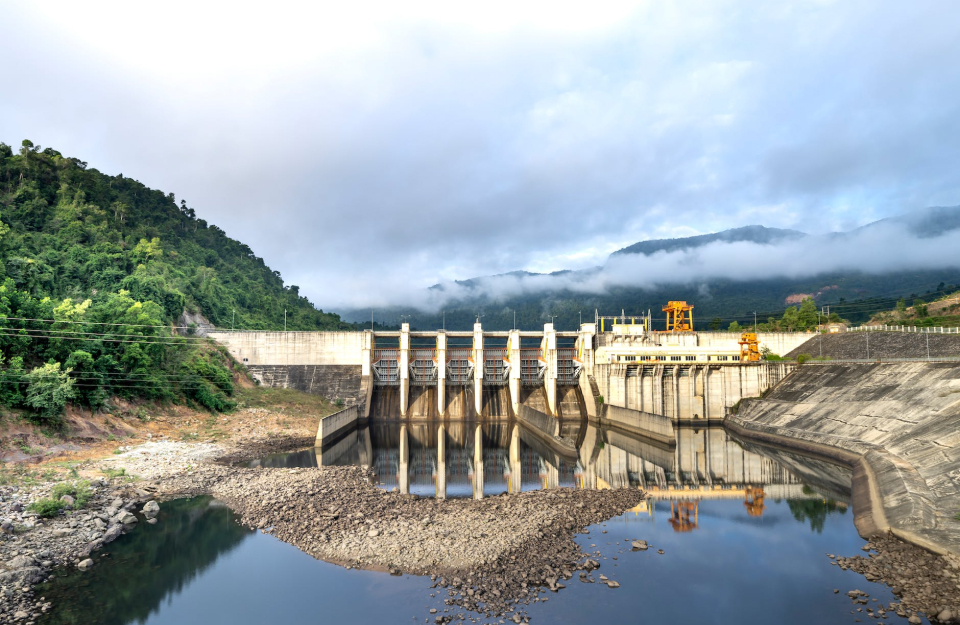
ENGIE has approved a further financing agreement with the Brazilian Development Bank (BNDES). This time for a renewable power generation project – the Campo Largo Wind Complex – Phase 2, located in the state of Bahia in the municipalities of Umburana and Santo Sé. In March, the company had already secured another project, Gralha Azul, with the bank for energy transmission over approximately a thousand kilometers in the state of Paraná. The two agreements are worth R$ 2.7 billion and were both reached entirely on a digital basis with ICP-Brasil certification in the midst of the Covid 19 pandemic, a pioneering initiative by the parties involved.
“Both agreements reflect teamwork by several areas of ENGIE and the BNDES, which in a spirit of commitment and delivery, successfully concluded two important lines of finance”, explains ENGIE Brasil Energia’s chief executive officer, Eduardo Sattamini. “In this way, we are realizing commitments made during the development and contracting of the projects and the expected return for our shareholders”, the company CEO adds.
Under construction, the Campo Largo Project – Phase 2 amounts to 361.2 MW of installed capacity at an investment of R$ 1.6 billion. The project has been rendered fully viable through the intermediary of more than 60 agreements signed up front with free market consumers. The line of finance amounts to R$ 1.2 billion and the project will capture synergies with structures already on the ground, among these, the substation and transmission line installed by ENGIE to meet the power requirements of the first phases of the Campo Largo and Umburanas wind complexes with a total of 686.7 MW of installed capacity. All installation licenses for the 11 wind farms comprising the project have been issued and entry into operations is scheduled for the beginning of next year. Once the second phase of Campo Largo has been concluded, ENGIE’s installed capacity from wind power will surpass the 1 gigawatt (GW) mark in Bahia and 1.2 GW in the Northeast region as a whole.
Transmission – An agreement worth R$ 1.5 billion was signed in March for financing the Gralha Azul project. With a total investment of R$ 2 billion, installation began early in the second half of 2018 and now has work in progress on several fronts. There are 15 stretches of transmission line which are to link ten substations, five new ones and expansions to a further five. The aim of the project is to strengthen the National Interconnected System and increase uptime availability and quality of electric energy in the Central-South region of the state of Paraná, thus benefiting economic growth. The concession period of the public utility transmission service, including licensing, construction, assembling and the operation and maintenance of the transmission installations is 30 years as from 2018 when the concession agreement was signed. “With the new transmission lines, we shall be optimizing the interconnected system thus making for a reduction in GHG emissions. This is aligned with ENGIE’s mission and strategy of being the leader in the energy transition to a low carbon economy”, Sattamini declares.
“The conclusion of both projects is the result of a longstanding partnership between the BNDES and ENGIE for the development of the Brazilian electricity sector, underscoring both institutions’ vocation as important players not only in the transition to a low carbon economy, as well as in the growth of the free energy market in Brazil”, adds Carla Primavera, Senior Manager in the Energy Department of the BNDES.
Sobre a ENGIE
A ENGIE é referência mundial em energia de baixo carbono e serviços. Com seus 96.000 colaboradores, clientes, parceiros e stakeholders, o Grupo está comprometido em acelerar a transição para um mundo neutro em carbono, através do consumo reduzido de energia e soluções mais sustentáveis. Inspirada em seu propósito, a ENGIE concilia performance com um impacto positivo sobre as pessoas e o planeta se apoiando em suas atividades chave (gás, energia renovável e serviços) para oferecer soluções competitivas aos seus clientes. Faturamento em 2022: 93,9 bilhões de Euros.
No Brasil, a ENGIE, empresa líder em energia renovável do país, atua em geração, comercialização e transmissão de energia elétrica, transporte de gás e soluções energéticas. Com capacidade instalada própria de cerca de 10 GW em 77 usinas, o que representa cerca de 6% da capacidade nacional, a empresa possui 100% de sua capacidade instalada proveniente de fontes renováveis e com baixas emissões de Gases de Efeito Estufa (GEE), como usinas hidrelétricas, eólicas, solares e a biomassa.
A ENGIE é também a detentora da mais extensa malha de transporte de gás natural do país, com 4.500 km, que atravessam 10 estados e 191 municípios, graças à aquisição da Transportadora Associada de Gás – TAG, concluída em 2020.Além disso, a ENGIE possui um portfólio completo em soluções integradas responsáveis por reduzir custos, emissões e melhorar infraestruturas para empresas, como ar comprimido, autoprodução solar local, biogás e biomassa, consultoria e gestão de energia, HVAC e subestações. Nas cidades, atuamos como parceira para tornar os espaços urbanos mais eficientes e sustentáveis, com soluções de iluminação pública, mobilidade elétrica e de district cooling.
Contando com 2.400 colaboradores, a ENGIE teve no país em 2022 um faturamento de R$ 12,8 bilhões.
A ENGIE está presente na B3 por meio de sua empresa de geração e comercialização de energia cujo ticker é o EGIE3. Na B3, a ENGIE integra o Novo Mercado, além de ser uma das únicas companhias listadas no Índice de Sustentabilidade Empresarial desde o início do ISE, em 2005. Em 2021, a B3 incluiu os papeis da ENGIE no Índice Carbono Eficiente (ICO2), composto pelas ações das empresas participantes do IBrX 100 que possuem maior transparência em relação ao reporte das emissões dos GEE e de como estão se preparando para uma economia de baixo carbono.
O Grupo é negociado nas bolsas de Paris e Bruxelas (ENGI), sendo representado nos principais índices financeiros (CAC 40, Euronext 100, FTSE Euro 100, MSCI Europe) e índices não financeiros (DJSI World, Euronext Vigeo Eiris – Europe 120/France 20, MSCI EMU ESG screened, MSCI EUROPE ESG Universal Select, Stoxx Europe 600 ESG-X).